

Bee Removal Rancho Penasquitos
Call now for a free quote!
619-800-8521
Click the link below and fill out the fast, free quote form.
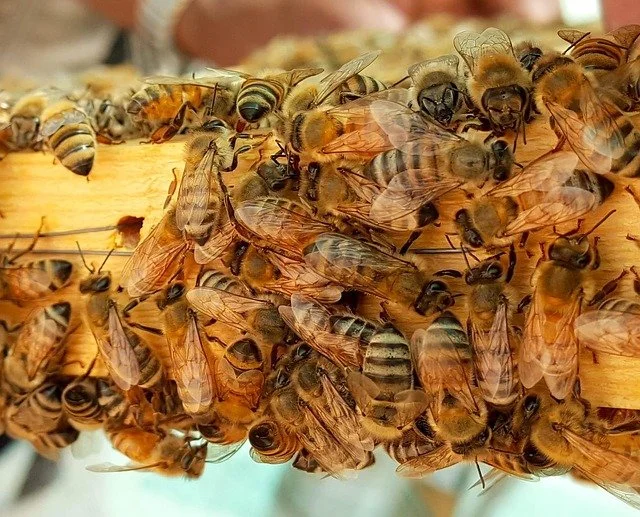
Rancho Peñasquitos's canyon-rimmed neighborhoods, community parks, and mature landscaping create natural corridors where bee swarms travel and often move into nearby homes and structures. Our team provides live bee removal and hive relocation throughout Rancho Peñasquitos — including Los Peñasquitos Canyon Preserve-adjacent properties, HOA communities, and residential homes throughout the area. We use thermal imaging to detect hives hidden in walls or rooflines, and remove the entire colony and comb to prevent pests and recurring bee problems.
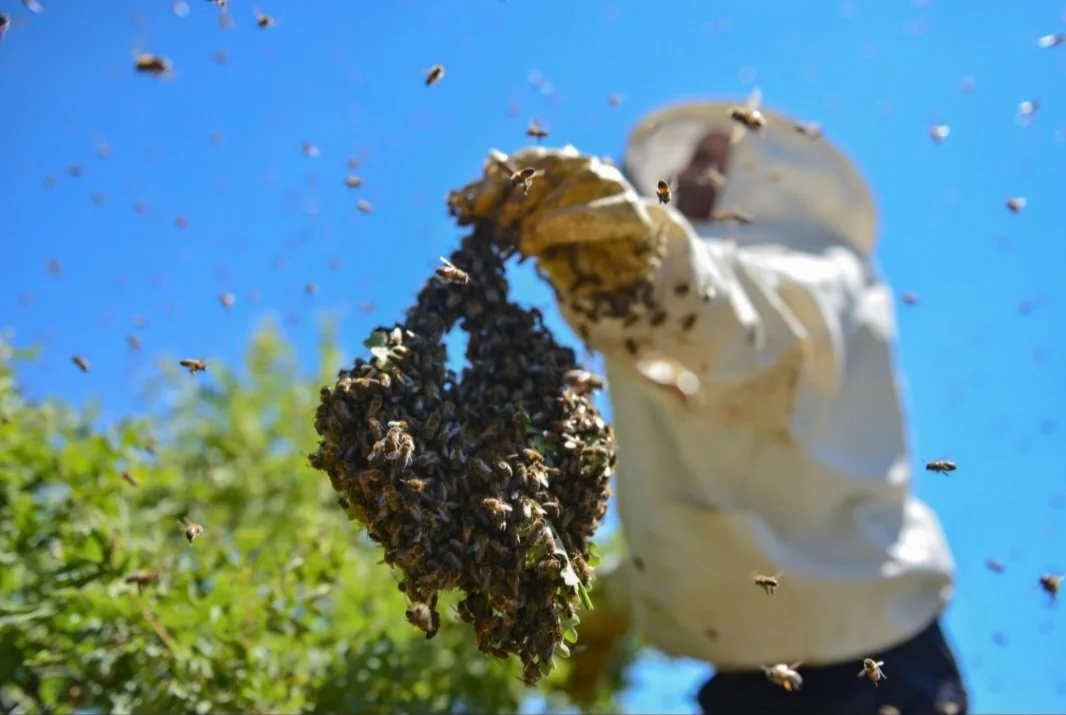
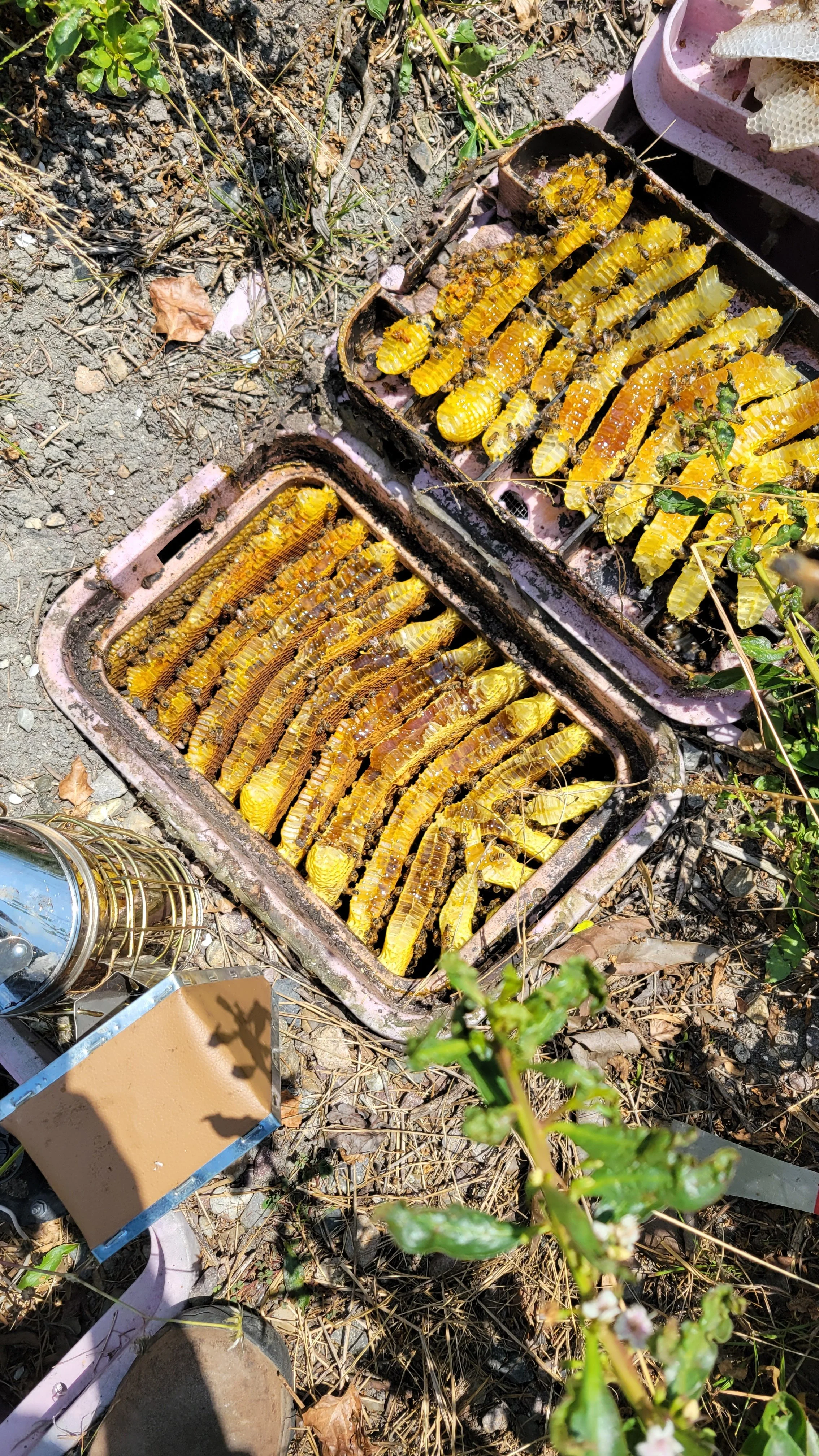
Live bee hive removal
Bees are relocated to areas away from homes and businesses
Residential & Commercial Removals
Bee proofing is included as part of the removal process
We bee proof the hive location and remove the entire nest to eliminate scent to prevent new bee colonies from returning.
Emergency aggressive bee removal (see our blog about “Killer Bees”)
Same-day service in most areas
6 month warranty on all removals!
Why Bee Activity Is High in Rancho Peñasquitos
Rancho Peñasquitos sits directly adjacent to Los Peñasquitos Canyon Preserve — one of the largest urban open space preserves in the United States and a permanent, thriving wild bee habitat. The canyon runs east-west directly through the community, with residential neighborhoods bordering the preserve on both its northern and southern edges. This proximity means swarms don't just pass through occasionally; the canyon-to-neighborhood interface is one of the most consistent and active bee transition zones in San Diego, with swarm activity expected annually throughout the swarming season.
Where Bees Build Hives in Rancho Peñasquitos Homes
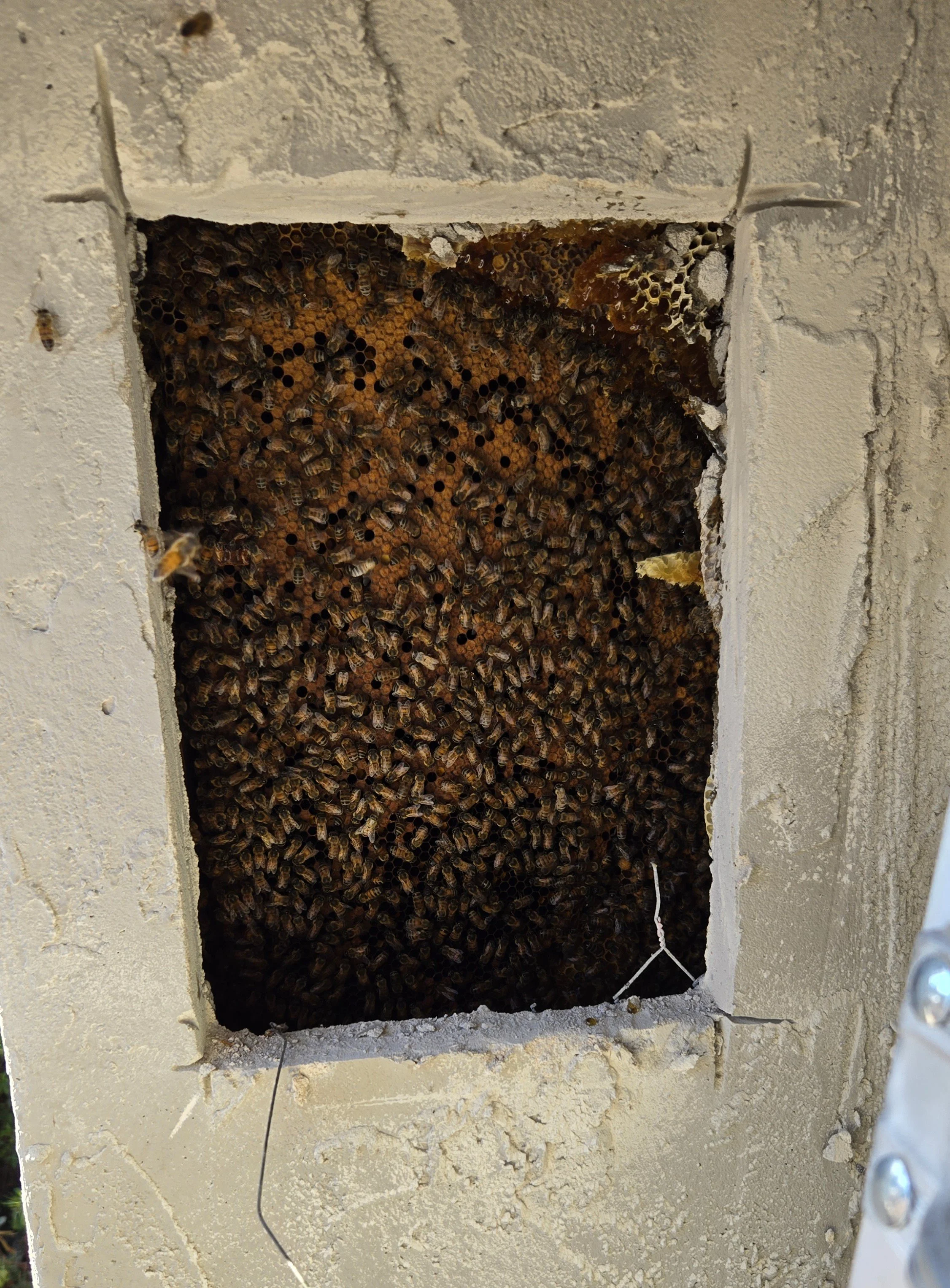
Rancho Peñasquitos was developed primarily from the 1970s through the 1990s, resulting in a relatively consistent housing stock of stucco-and-tile homes with mature landscaping. The age of this construction — 30 to 50 years — means original caulk seals around utility penetrations have often failed, roofline mortar at ridge caps has deteriorated, and weathering has opened gaps that weren't present when the homes were built. Properties along the canyon edge are the most active, but hive calls come from throughout the community. Common hive locations include:
Weathered tile roofline ridge caps and hip details on canyon-adjacent properties
Failed stucco caulk around utility and HVAC penetrations
Block wall cores throughout neighborhood perimeter and interior fencing
Backyard structures and pool equipment enclosures on mature-landscaped lots
Mature tree hollows throughout Rancho Peñasquitos's well-established canopy
Attic spaces accessed through gable vents in older community homes
Signs a Colony Has Moved In
Because so many Rancho Peñasquitos homes are on canyon-edge lots where bee activity is normal background behavior, residents sometimes miss early colony establishment signals. The key distinction: foraging bees move freely across the exterior; bees with an established hive will be seen consistently using the same specific opening. If you can watch a gap for 2–3 minutes and see bees entering and exiting in a steady pattern, that's an established colony, not foraging behavior.
Neighborhoods and ZIP Codes We Serve in Rancho Peñasquitos
We serve all of Rancho Peñasquitos including Black Mountain Ranch, Torrey Highlands, Village of Penasquitos, and properties directly adjacent to Los Peñasquitos Canyon Preserve.
ZIP codes served: 92129
Frequently Asked Questions — Rancho Peñasquitos
We live directly on the canyon edge in Rancho Peñasquitos — is there anything we can do to reduce how often we get swarms? The proximity to the preserve means your exposure can't be eliminated, but it can be reduced. After any removal, thorough bee-proofing — sealing all identified entry points and any other gaps larger than about a quarter-inch — significantly reduces the chance a passing swarm will find a cavity to move into. Annual spring inspections, before swarming season peaks, to identify and seal new weathering gaps are the most effective ongoing prevention approach.
Los Peñasquitos Canyon is protected open space — does that mean bees in the canyon can't be removed? Bees within the preserve itself are managed by the park authority and are not a service we provide access to. However, bees that have crossed from the preserve onto your private residential property — into your walls, your roofline, or your backyard structures — are on private property and can be removed and relocated through our standard service. The preserve boundary doesn't extend onto your lot.
We had a hive removed two years ago and another appeared in the same spot — was the removal done incorrectly? Not necessarily — it means either the original honeycomb was not fully removed from the cavity, leaving a persistent pheromone trail, or the entry point was not adequately sealed after removal. Given the constant swarm pressure from the adjacent canyon, even a small residual scent or a partially sealed gap is enough for a new swarm's scouts to identify the location as a viable site. We include full comb removal and entry-point sealing in every removal for exactly this reason.
Ready to Resolve Your Bee Problem in Rancho Peñasquitos?
Call 619-800-8521 for same-day bee removal in Rancho Peñasquitos, CA, or fill out our quick quote form.
Bee Removal Near Me
Locations:
San Diego - Del Mar - Carmel Valley - Carlsbad - Rancho Santa Fe - Encinitas - La Jolla - Poway - Vista - San Marcos - Rancho Bernardo - El Cajon - Escondido - Fallbrook - Bonsall - Chula Vista - Rancho Penasquitos - Mira Mesa - Clairemont - Pacific Beach - Scripps Ranch - Point Loma - Oceanside and Surrounding Areas