
Live Bee Removal Bonsall
Call now for a free quote!
Click the link below and fill out the fast, free quote form.
Bonsall sits in the San Luis Rey River Valley between Fallbrook and Vista, surrounded by horse ranches, avocado groves, nurseries, and some of the most scenic agricultural land in North San Diego County. That rural character also makes Bonsall one of the more challenging areas for bee problems — large properties, older outbuildings, and dense native vegetation give swarms an abundance of places to establish colonies away from plain sight. Our team provides professional live bee removal throughout Bonsall, from riverfront properties along the San Luis Rey to hilltop ranches above Old River Road and residential communities near Gird Road. Every removal includes full honeycomb extraction and bee proofing so the site doesn't become a recurring problem.
Live bee hive removal
Bees are relocated to areas away from homes and businesses
Residential & Commercial Removals
Bee proofing is included as part of the removal process
We bee proof the hive location and remove the entire nest to eliminate scent to prevent new bee colonies from returning.
Emergency aggressive bee removal (see our blog about “Killer Bees”)
Same-day service in most areas
6 month warranty on all removals!
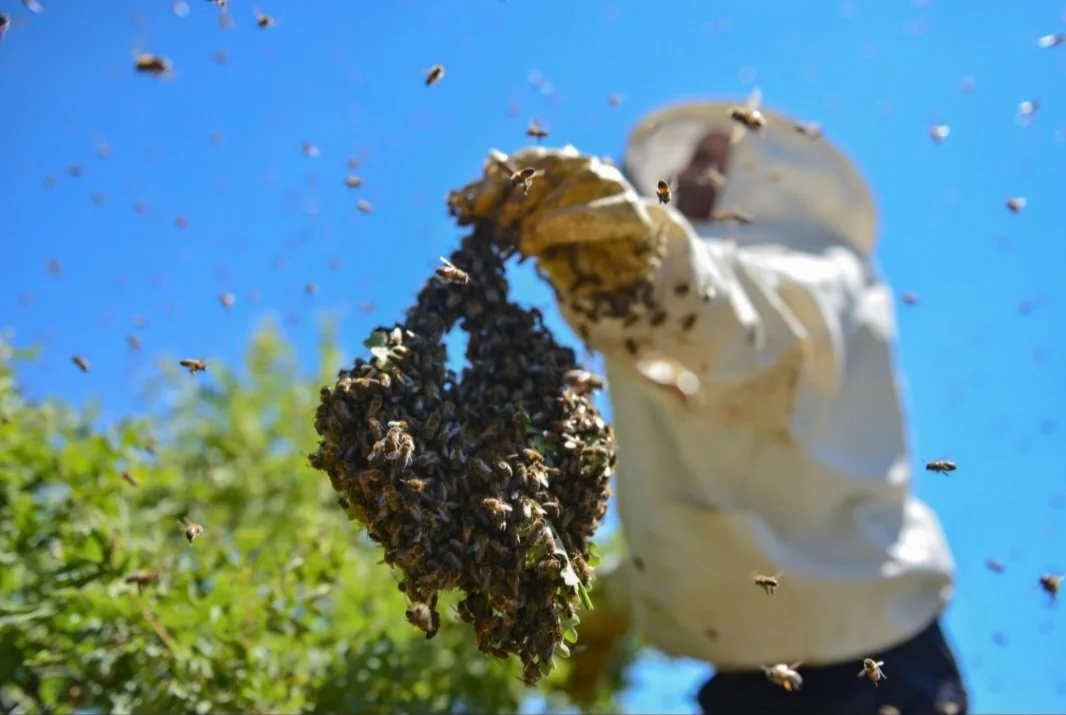
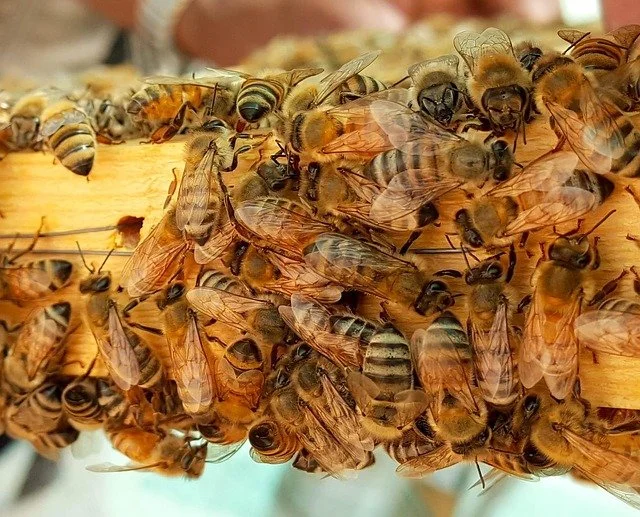
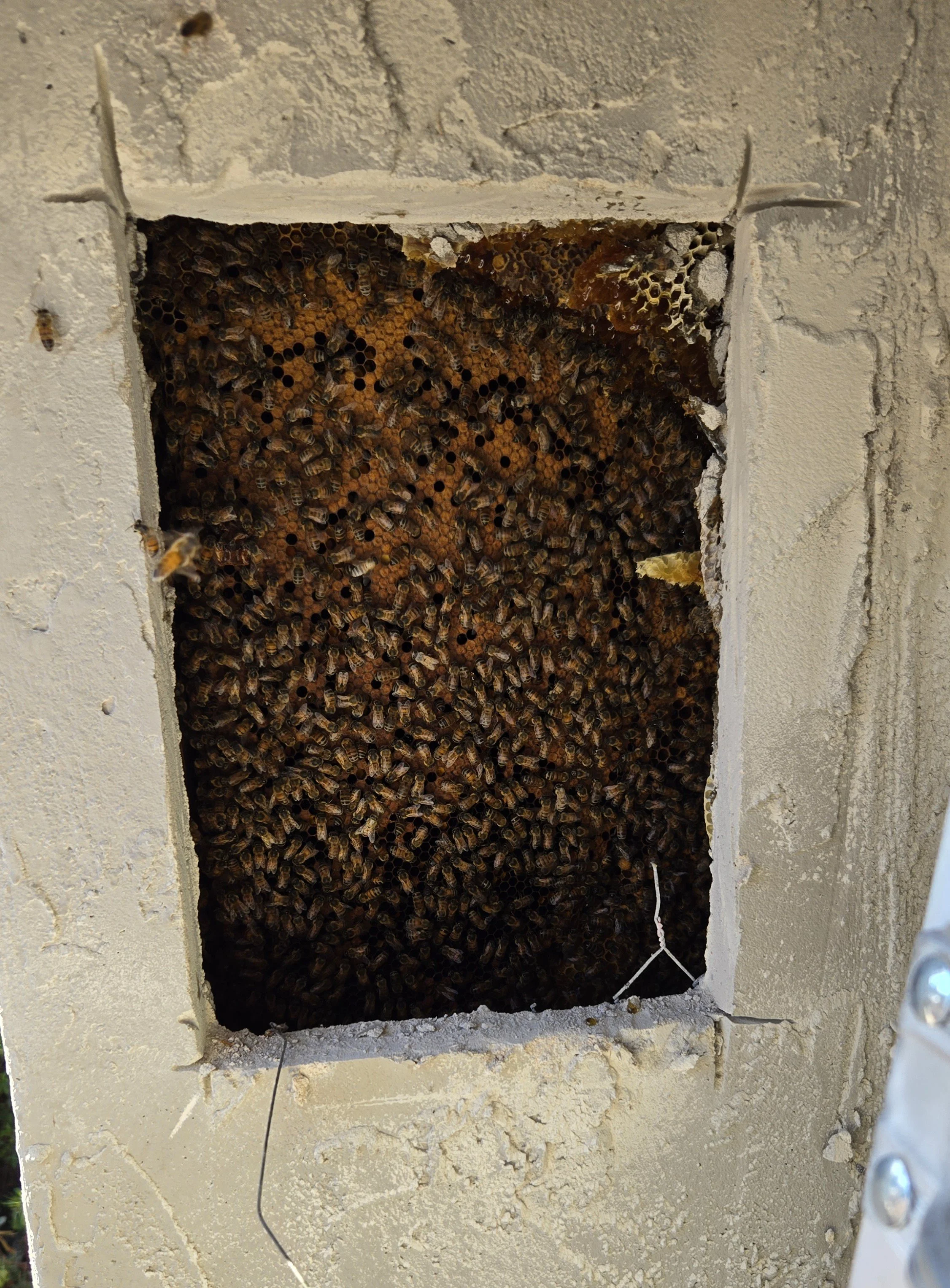
Live Bee Removal in Bonsall, CA
Safe Bee Removal and Hive Relocation in Bonsall
Discovering a bee hive on your Bonsall property can happen at any time of year. The warm, sheltered inland climate of the San Luis Rey Valley keeps bees active through most of the year, and the area's agricultural diversity — avocados, citrus, ornamental nurseries, and native chaparral — provides a rich and consistent food source that supports large, thriving colonies.
Bee hives on rural and semi-rural properties like those in Bonsall are often discovered only after the colony has been established for some time. A swarm that moves into a wall cavity, a hollow tree, or an outbuilding can build a substantial hive — sometimes fifty thousand bees or more — before the homeowner notices more than a few extra bees around the yard.
Addressing the problem promptly is important. Honeycomb left inside a structure doesn't just go away when the bees leave — it melts in summer heat, soaks into drywall and insulation, and leaves a scent trail that attracts new swarms and secondary pests for years. A professional removal that includes the bees, the comb, and a sealed entry point breaks that cycle.
Why Bee Activity Is High in Bonsall
The San Luis Rey River corridor and surrounding hills create a microclimate that stays warmer than coastal North County and more sheltered than the higher elevations of Palomar. Bonsall's agricultural density means bees have an exceptional variety of pollen sources, from avocado and citrus blooms to native sage, buckwheat, and wildflowers that cover the hillsides.
Many Bonsall properties also have characteristics that make attractive nesting sites for swarms in search of a permanent home:
Mature trees with hollow cavities along creek drainages and river bottoms
Older wooden ranch structures, barns, and hay storage buildings
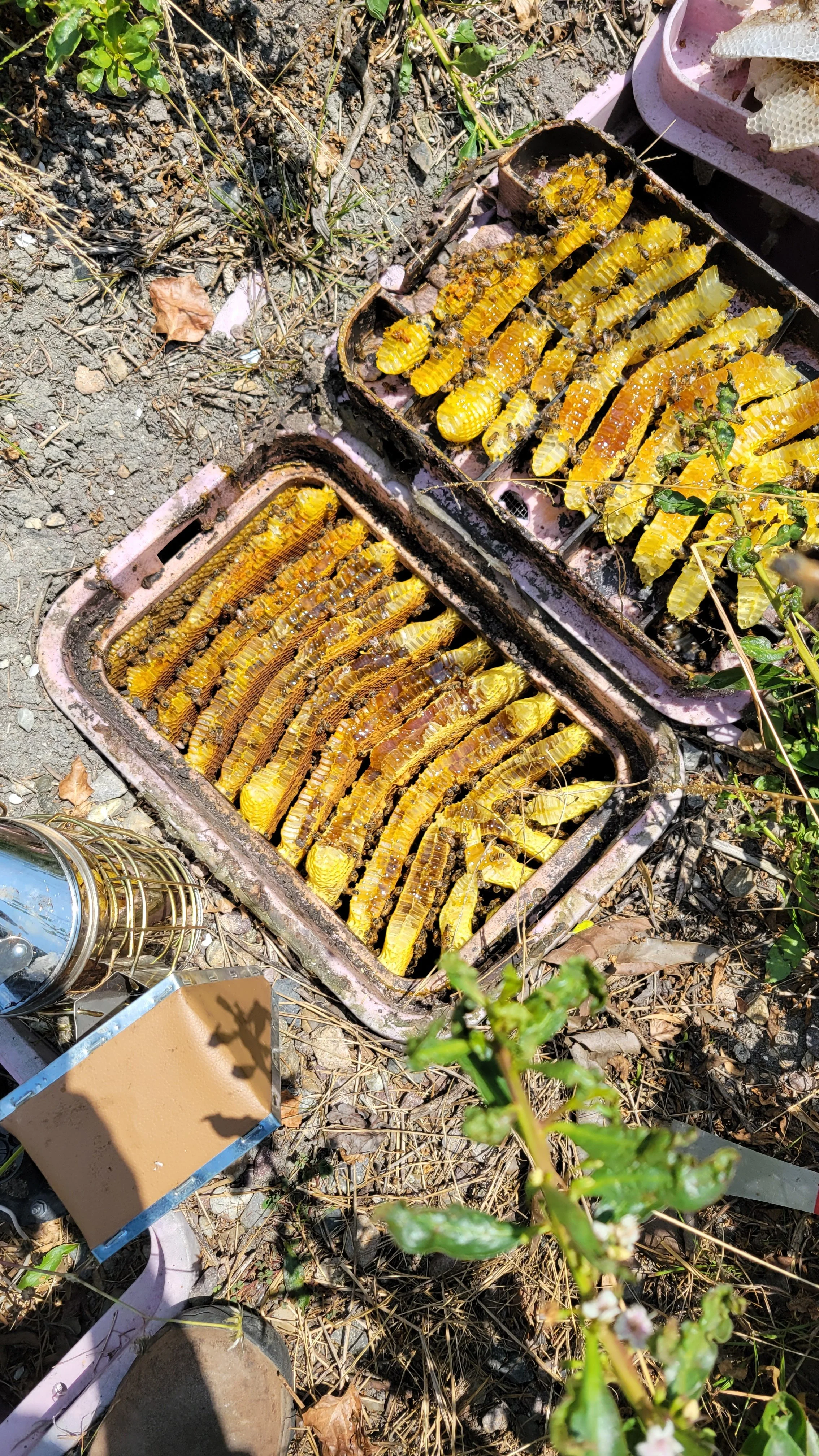
Underground water meter boxes and irrigation valve enclosures
Gaps in stucco and wood-framed outbuildings
Horses and livestock attract flowering plants and water sources that in turn attract bees
Common Places Bees Build Hives in Bonsall
Inside Wall Cavities
Stucco ranch homes and wood-framed structures common in Bonsall often have small openings around pipe penetrations, vents, or weathered siding. Bees enter through these gaps and build honeycomb inside wall voids where the hive can grow undetected for weeks or months.
Barns, Tack Rooms, and Agricultural Outbuildings
Bonsall's horse ranches, small farms, and hobby properties often include older outbuildings that aren't as well-sealed as the main residence. These structures — barns, tack rooms, equipment sheds, and tool buildings — are prime nesting locations for established colonies. Bees in these locations can also pose a risk to livestock and horses, which are highly sensitive to stings.
Attics and Rooflines
Soffit vents, ridge gaps, and deteriorated fascia boards allow bees access to attic spaces. Once inside, the colony can expand quickly in Bonsall's inland heat, and the attic becomes a large, protected nursery for the hive.
Trees Along the San Luis Rey River Corridor
Olive and Pepper tree often develop hollows in the trunks that bees colonize. These hives can be difficult to spot but become apparent when activity near the tree increases noticeably during warmer months.
Water Meter Boxes and Irrigation Enclosures
Large rural parcels with irrigation systems have many underground valve boxes that remain cool and dark — exactly what a swarm looks for in a nesting cavity. These are a consistently common call on Bonsall properties.
If you're requesting an estimate, a photo of the bees or the location they're entering will help us assess the situation more quickly.
Bee Removal Process
Effective bee removal in a rural area like Bonsall requires both experience with live bee removal and the construction knowledge to safely access hives inside walls and structures while minimizing damage. We use thermal imaging to locate hives hidden inside walls or rooflines before cutting, which reduces guesswork and limits the size of the repair.
A complete removal typically includes:
Thermal imaging to locate the hive precisely
Safely removing the bees — live and relocated whenever possible
Removing all honeycomb, brood, and hive material
Cleaning and treating the affected area
Sealing all entry points to prevent new colonies from nesting in the same location
Our removals come with a 6-month warranty. If bees return to the same treated location within the warranty period, we come back at no additional charge.
Areas of Bonsall We Serve
Bee removal services are available throughout Bonsall and nearby communities. Areas where we frequently provide service include:
Old River Road corridor
Gird Road and Valley Center Road
San Luis Rey River bottom properties
Sleeping Indian Road area
Horse Creek Ridge and surrounding communities
Neighboring Fallbrook and Rainbow
Zip codes served:
92003 (Bonsall)
92028 (Fallbrook / Rainbow — bordering Bonsall)
Bee Removal Questions in Bonsall
How do I know if bees are inside my wall or barn? The most common sign is bees repeatedly entering and exiting the same small opening — a gap in siding, a vent cover, or a crack in stucco. You may also hear faint buzzing from inside the wall during warm afternoon hours when the colony is most active.
Are Africanized bees a concern in Bonsall? Yes. Africanized honey bees have established a strong presence throughout inland San Diego County, including the Bonsall and Fallbrook area. They are virtually indistinguishable from European honey bees in appearance but react far more defensively when their hive is disturbed. On rural properties with livestock, this is a particular concern. If bees are behaving aggressively, do not approach the hive — call us for emergency removal.
Can bees harm horses or livestock? Yes. Horses and cattle can be seriously injured or killed by a large bee attack, especially if they are near an established hive that becomes disturbed. If you have livestock and bees on your property, removal is strongly recommended before an incident occurs.
Will bees come back after removal? They can, if honeycomb is left behind or the entry point isn't sealed. The scent of wax and honey is a powerful attractant for scout bees searching for new nesting sites. Our process includes complete comb removal, a pheromone-blocking treatment, and sealing of entry points to prevent this.
Can you remove hives from large acreage and rural structures? Yes. We regularly serve large agricultural and equestrian properties throughout Bonsall and the surrounding area. We're familiar with the types of structures and nesting locations common on North County rural properties.
How much does bee removal cost in Bonsall? Pricing varies based on location, accessibility, and hive size. Simple swarm removals start around $150. Structural hive removals from inside walls or outbuildings typically range from $200 to $750 or more depending on how extensive the work is. Contact us for a free estimate.
Bee Removal in Bonsall
If you're dealing with a bee problem on your Bonsall property — whether it's a hive in your home's wall, a swarm that's moved into a barn, or an aggressive colony near your horses — we can help. Early removal is always easier, less expensive, and less disruptive to your property than waiting for the colony to grow.
Call 619-800-8521 for a free quote, or submit a request through our contact form. Including a photo of the bee activity or entry location helps us provide a faster estimate
We offer bee removal services in the following areas:
San Diego - Del Mar - Carmel Valley - Oceanside - Carlsbad - Rancho Santa Fe - Encinitas - La Jolla - Poway - Vista - San Marcos - Rancho Bernardo - El Cajon - Escondido - Fallbrook - Bonsall - Chula Vista - Rancho Penasquitos - Mira Mesa - Clairemont - Pacific Beach - Scripps Ranch - Point Loma and Surrounding Areas