

Live Bee Removal Vista
Call now for a free quote!
Click the link below and fill out the fast, free quote form.
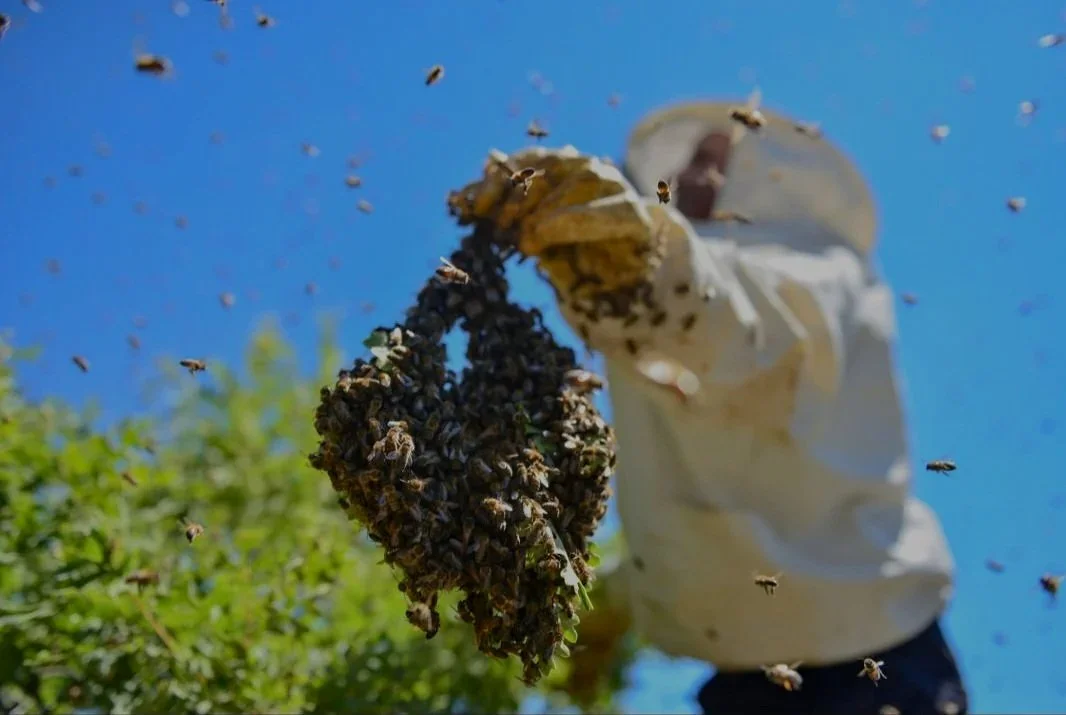
Bee Dash Rescue provides professional live bee removal throughout Vista, California. We specialize in safely removing bee hives from homes and businesses while relocating them to local beekeepers.
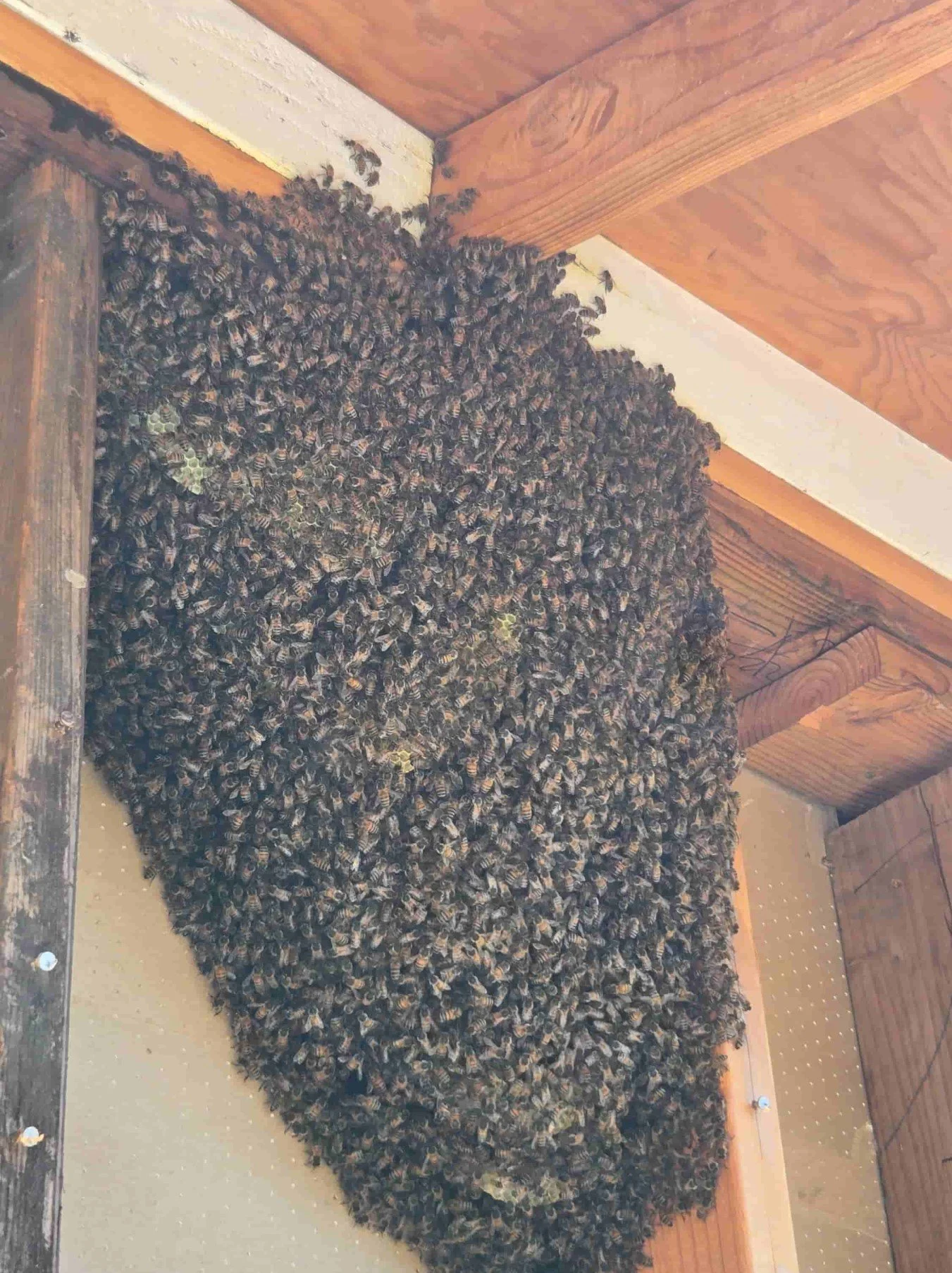
For more than 25 years, we've combined hands-on beekeeping experience with residential construction knowledge to expertly locate hidden colonies and removing hives from walls, attics, garages, and other difficult-to-access areas.
Live bee hive removal
Bees are relocated to areas away from homes and businesses
Residential & Commercial Removals
Bee proofing is included as part of the removal process
We bee proof the hive location and remove the entire nest to eliminate scent to prevent new bee colonies from returning.
Emergency aggressive bee removal (see our blog about “Killer Bees”)
Same-day service in most areas
6 month warranty on all removals!
Trusted Bee Removal for Vista Homeowners
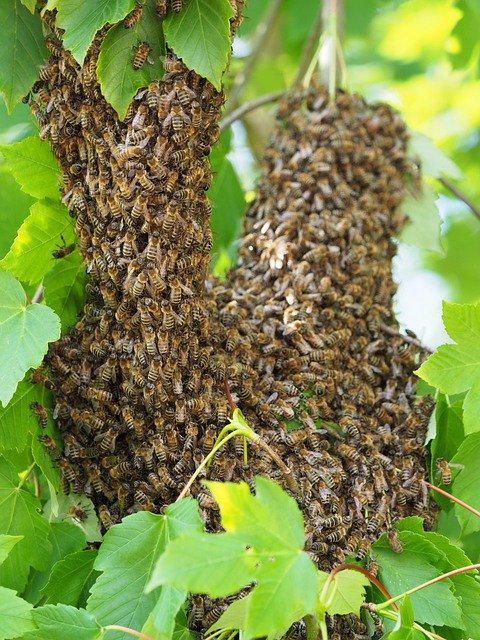
We've helped homeowners throughout Vista remove bee hives from everything from single-story homes and detached garages to workshops, retaining walls, and backyard structures. Our goal is to solve the problem correctly the first time by removing the colony, eliminating the comb when necessary, and helping homeowners prevent future infestations.
Where Bees Build Hives in Vista Homes
Vista's housing ranges from older homes near historic downtown and Brengle Terrace Park to large rural-style properties in the eastern portions of the city and newer commercial development along Hacienda Drive and the 78 corridor. The agricultural properties and greenhouse operations in Vista's east side occasionally have hive situations in equipment structures and irrigation infrastructure that require specialized removal approaches. Common hive locations in Vista homes include:
Exterior stucco wall cavities in older downtown-adjacent neighborhoods
Roofline gaps and soffit voids across Vista's mid-century tract homes
Irrigation valve boxes and utility enclosures on larger Vista lots
Greenhouse and nursery structures on agricultural properties
Block walls and wood fencing separating residential properties
Tree hollows in mature landscaping throughout hillside neighborhoods
Warning Signs You May Have a Hidden Bee Hive
Honey bee colonies usually give several warning signs before homeowners actually see the hive.
Watch for:
Bees entering the same crack every few seconds
Consistent bee traffic around attic vents
A low humming sound coming from inside walls
Dark stains developing on drywall or exterior stucco
Bees appearing indoors near light fixtures or windows
Activity increasing during the warmest part of the afternoon
Scheduling an inspection early can often prevent larger structural repairs latey.
Serving Every Neighborhood in Vista
Our bee removal service covers all areas of Vista, including:
Shadowridge
Buena Creek
Vista Foothills
Downtown Vista
Brengle Terrace
Alta Vista
North Santa Fe
Warmlands
Gopher Canyon
Vista Business Park area
ZIP Codes Served: 92081, 92083, 92084
Frequently Asked Questions — Vista
Why do bees keep returning to the same place?
We have an irrigation valve box in the backyard and bees are going in and out of it — is that a hive? Very likely, yes. Irrigation valve boxes are among the most common hive locations we find in Vista and throughout North County. The enclosed plastic or concrete housing creates a sheltered, temperature-stable cavity that bees find ideal for hive construction. These can often be handled with a relatively straightforward removal, but the comb inside must be fully cleared and the box treated to prevent re-colonization.
How quickly can a hive grow inside a Vista home during summer? Vista's inland heat accelerates colony development. A swarm that moves into a wall void in early spring can produce a substantial, well-established hive with 20,000–40,000 bees and significant honeycomb by midsummer. This is why early intervention — as soon as you notice the entry activity — results in a faster and less complicated removal.
Ready to Resolve Your Bee Problem in Vista?
Call 619-800-8521 for same-day bee removal in Vista, CA, or fill out our quick quote form. Include a photo of the activity when you reach out and we'll get you an estimate quickly.
Bee Removal Near Me
Locations:
San Diego - Del Mar - Carmel Valley - Carlsbad - Rancho Santa Fe - Encinitas - La Jolla - Poway - Vista - San Marcos - Rancho Bernardo - El Cajon - Escondido - Fallbrook - Bonsall - Chula Vista - Rancho Penasquitos - Mira Mesa - Clairemont - Pacific Beach - Scripps Ranch - Point Loma - Oceanside and Surrounding Areas