
Killer Bees
Killer Bees in San Diego County: What Homeowners Need to Know
If you live in San Diego County, chances are you’ve heard the term “killer bees.” While the name may sound dramatic, the reality is that Africanized honey bees are very real in Southern California—and they can pose serious risks when they establish colonies near homes, businesses, or public spaces.
For bee removal professionals, dealing with these colonies safely is part of protecting both the public and the property where they appear.
The Reality of Killer Bees in San Diego
“They just started forming a clump on our tree,” said Kyle Ritchie.
In July 2025, two men saved a woman from a killer bee attack in Santee, Ca. A grandmother was taking a nap in the back yard when bees started attacking her. With hundreds of stings, she was unable to run inside for safety. That is when the two men saw what was happening and rushed to help. You can find the full article here, https://fox5sandiego.com/news/local-news/east-county/plumber-rescues-grandmother-during-attack-by-hundreds-of-bees-in-santee/
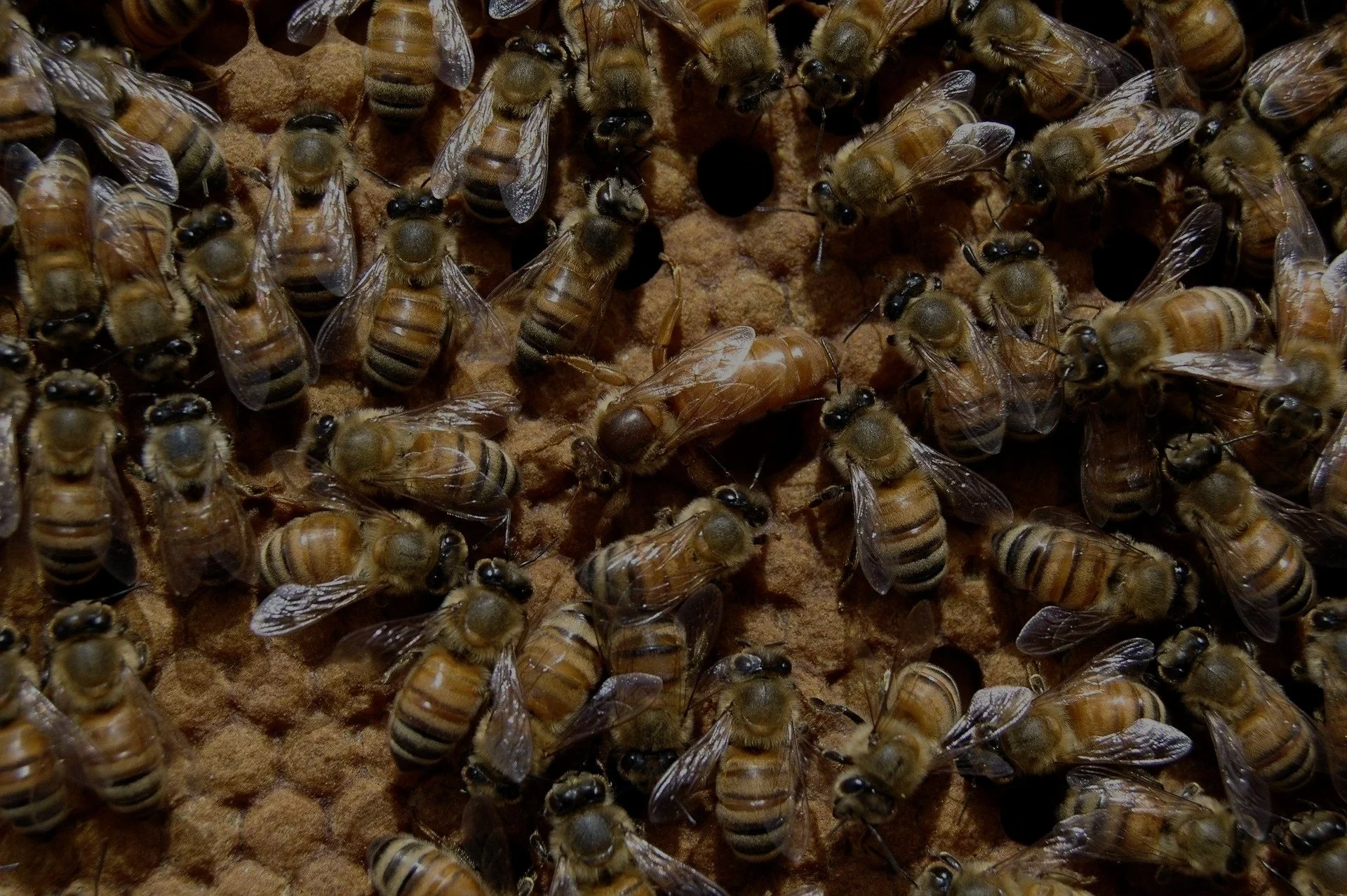
“Killer bees” is the common name for Africanized honey bees, a more defensive strain of honey bee that spread north from South America and eventually established themselves throughout Southern California.
Today, the entire San Diego region—from the desert to the coast—is considered colonized by Africanized honey bees, meaning they can be encountered almost anywhere in the county.
At a glance, Africanized bees look nearly identical to regular honey bees. The difference is in their behavior. These bees are far more defensive of their hive and will attack more quickly and in greater numbers when they feel threatened.
A disturbance as simple as:
A lawn mower
A barking dog
Construction vibrations
Someone walking too close to a hidden hive
…can trigger a defensive swarm.
Why They Can Be Dangerous
Unlike a typical honey bee colony, Africanized bees may pursue a perceived threat for long distances and sting repeatedly as a group.
While each individual sting isn’t more toxic than a normal honey bee sting, the danger comes from the sheer number of stings a person or animal may receive during an attack.
In San Diego County, bee colonies are often discovered in places such as:
Attics and wall cavities
Roof eaves and chimneys
Water meter boxes
Trees and shrubs
Utility boxes or abandoned structures
If a colony is disturbed in one of these locations, the results can be serious—especially for children, pets, landscapers, and outdoor workers.
Why Professional Removal Is Essential
Many homeowners assume they can simply spray or block off a hive themselves. Unfortunately, that approach often makes the situation worse.
County guidance is clear: Do not attempt to remove a bee colony yourself. Bees can quickly become agitated and defensive, putting anyone nearby at risk of multiple stings.
Professional bee removal companies have the equipment, training, and protective gear necessary to:
Identify aggressive or Africanized colonies
Safely neutralize or remove the hive
Remove honeycomb and wax to prevent reinfestation
Why Killing the Bees Is Sometimes Necessary
We love bees—and they are essential pollinators. In fact, honey bees contribute billions of dollars to agriculture through pollination.
However, not every colony can safely be relocated.
In many parts of Southern California, wild colonies are commonly Africanized, meaning they are too aggressive to relocate into managed beehives. When these colonies appear in residential areas, elimination may be the safest option to protect public safety.
Removing or eliminating a dangerous colony does not threaten the overall bee population, but it can prevent injuries or worse when aggressive bees settle close to human activity.
Don’t Ignore a Bee Colony on Your Property
If you notice:
Large numbers of bees entering a wall or roof
A swarm forming on a tree or structure
Aggressive bees chasing people or pets
Bees appearing suddenly around utility boxes or sheds
…it’s important to act quickly. The longer a colony remains, the larger and more dangerous it can become.
Contact a Professional Bee Removal Service
If you’re dealing with an aggressive bee problem in San Diego County, the safest step is to contact us through our free quote form at www.bee-rescue.com
We can assess the situation, determine whether removal or elimination is required, and handle the colony safely and professionally.