

How El Niño Could Increase Bee Swarms and Bee Removals in San Diego County
What El Niño Means for Honey Bees in San Diego
As meteorologists predict another El Niño weather pattern, many homeowners throughout San Diego County may notice an increase in honey bee activity. From larger swarms in spring to established hives inside walls and roofs, wetter winters and abundant flowering plants can create ideal conditions for honey bee colonies to expand.
At Bee Dash Rescue, we've seen firsthand how weather patterns influence bee behavior throughout North County and the rest of San Diego. Understanding how El Niño affects bees can help homeowners recognize problems early and arrange humane live bee removal before colonies become larger and more expensive to remove.
Why El Niño Creates More Bee Swarms
El Niño often brings increased rainfall and milder temperatures to Southern California. While that is good news for gardens and wildflowers, it also benefits honey bees. More rain means:
More flowers and nectar sources
Increased pollen availability
Stronger colonies
Faster brood production
Greater likelihood of colonies splitting and swarming
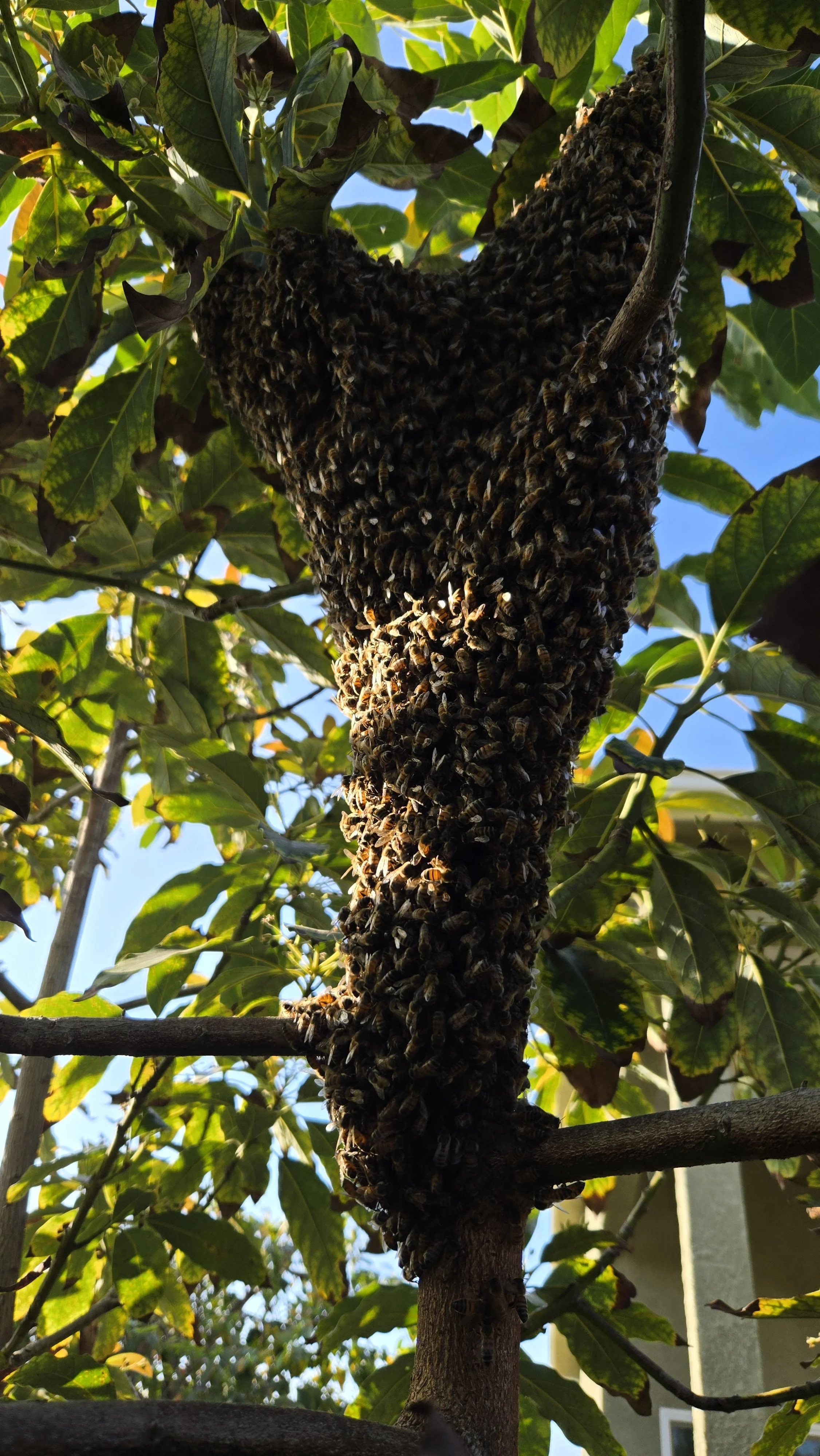
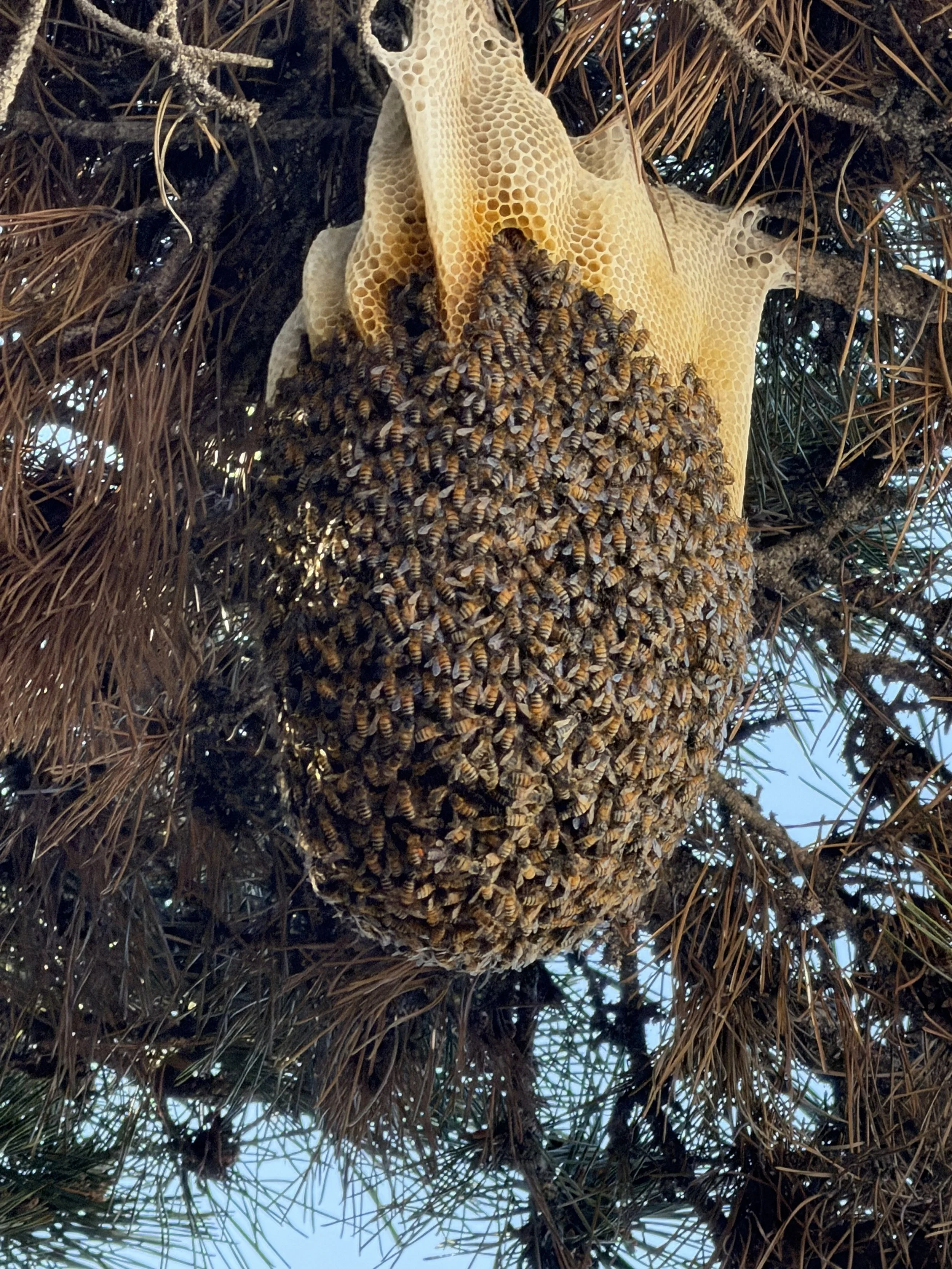
Healthy colonies naturally reproduce by swarming. During a swarm, roughly half of the bees leave the original hive with a queen and search for a new home. Unfortunately, homes, attics, block walls, sheds, irrigation boxes, and chimneys often become attractive nesting locations.
Historically, years with wetter winters frequently produce heavier spring bee activity throughout San Diego County.
Earlier Bee Swarms Are Becoming More Common
Recent reports from California beekeepers have shown that swarms are occurring earlier than normal, with some colonies swarming weeks ahead of traditional spring schedules. Warm winters combined with abundant forage allow colonies to grow rapidly and run out of space sooner.
For homeowners, this means bee season may begin as early as February and continue well into summer.
Common areas where bees establish colonies include:
Stucco walls
Roofs and eaves
Attics
Chimneys
Irrigation valve boxes
Water meter boxes
Palm trees
Sheds
Block walls
Floor joists
Under decks
Why Established Hives Become a Bigger Problem
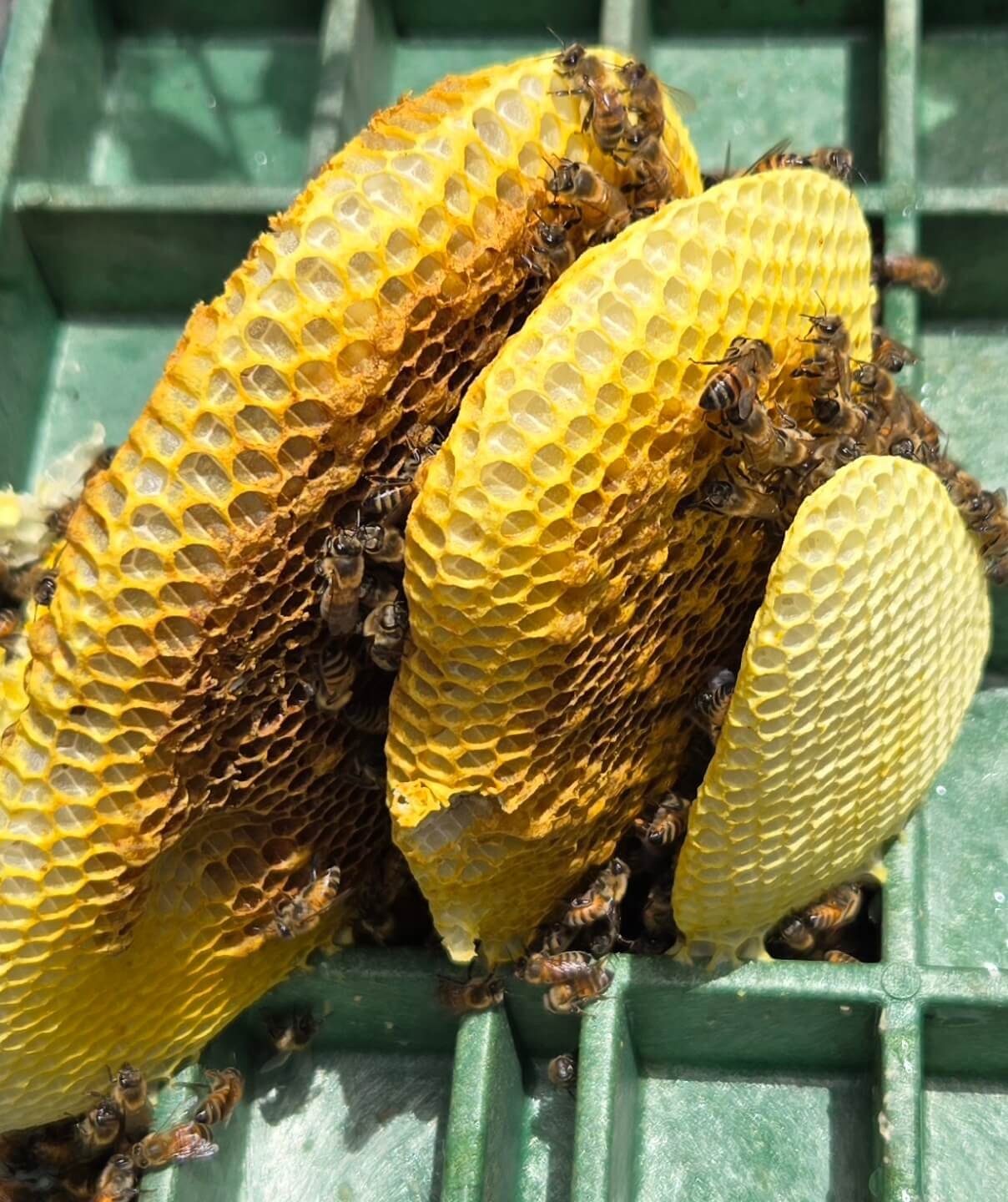
Many people assume a swarm will simply leave. However, once scout bees find a cavity inside a structure, they can begin building comb within hours.
A colony inside a wall can eventually contain:
Tens of thousands of bees
Hundreds of pounds of honeycomb
Honey that attracts ants and rodents
Wax and brood that produce odors
Increased risk of bees entering the home
The longer a colony remains inside a structure, the larger and more costly the removal becomes.
Early detection is one of the best ways to minimize repairs and prevent long-term damage.
Thermal Imaging Helps Locate Hidden Bee Colonies
Bee colonies generate heat to maintain brood temperatures around 93°F to 95°F. This heat signature often makes hidden colonies visible using thermal imaging cameras.
At Bee Rescue, thermal imaging technology helps locate colonies hidden inside:
Stucco walls
Ceilings
Roof systems
Soffits
Second-story walls
Chimneys
Thermal imaging allows for more precise hive removal while minimizing unnecessary damage to drywall, stucco, and roofing materials.
Areas of San Diego County Most Likely to Experience Increased Bee Activity
During productive years, we commonly see increased calls throughout:
North County
Oceanside
Carlsbad
Vista
San Marcos
Escondido
Fallbrook
Coastal Communities
Encinitas
Del Mar
Solana Beach
Cardiff-by-the-Sea
La Jolla
Inland Communities
Poway
Rancho Bernardo
Scripps Ranch
Rancho Peñasquitos
Ramona
South County
Chula Vista
Bonita
Eastlake
El Cajon
La Mesa
The combination of ornamental landscaping, citrus trees, eucalyptus, and flowering plants provides excellent forage for honey bees throughout the county.
What Homeowners Should Watch For
Signs that bees may be establishing a hive include:
Increased Bee Traffic
If bees are flying in and out of the same hole all day, there may already be a colony inside.
Buzzing Sounds in Walls
A low humming or buzzing noise behind drywall often indicates an active hive.
Bees Around Rooflines
Bees entering gaps near fascia boards, vents, or eaves are common signs of hidden colonies.
Sudden Appearance of Hundreds of Bees
A swarm hanging from a tree branch or shrub is usually temporary, but it should be professionally relocated before it moves into a structure.
Why Live Bee Removal Is Important
Honey bees are valuable pollinators that support agriculture and backyard gardens throughout Southern California. Whenever possible, Bee Rescue performs live removals and relocates healthy colonies rather than exterminating them.
Rescued bees are placed with local beekeepers where they can continue pollinating crops and producing honey.
Preparing for an Active Bee Season
If El Niño delivers increased rainfall to Southern California, homeowners should expect:
Earlier swarms
More swarm calls
Larger colonies
Increased hive removals from walls and roofs
Longer bee seasons extending into summer
Scheduling a professional inspection when bees are first noticed can prevent costly structural damage and simplify the removal process.
Bee Removal Throughout San Diego County
Bee Rescue provides professional live bee removal throughout San Diego County, including Oceanside, Carlsbad, Vista, Encinitas, Escondido, Poway, San Marcos, Rancho Bernardo, La Jolla, Del Mar, and surrounding communities.
Using thermal imaging and years of construction experience, we safely remove colonies from walls, roofs, attics, and other structures while minimizing repairs.
If you've noticed increased bee activity around your home, early action can make all the difference.
Frequently Asked Questions
Does El Niño cause more bee swarms?
El Niño often produces wetter winters and abundant spring flowers, which can strengthen colonies and increase swarming activity.
When is swarm season in San Diego?
Swarm season traditionally begins in spring, but warm winters can cause swarms to appear as early as February.
Will bees leave on their own?
Swarms may leave temporarily, but once they establish a colony inside a wall or roof, they generally will not leave without professional removal.
Can thermal imaging detect bee hives?
Yes. Honey bee colonies produce heat, making thermal imaging one of the most effective tools for locating hidden hives.
Does Bee Rescue relocate bees?
Yes. Whenever possible, Bee Rescue performs humane live removals and relocates colonies to local beekeepers.