

Live Bee Removal Vs Extermination
Live Bee Removal vs. Extermination: Why It Matters for San Diego Homeowners
When you discover a bee hive in your wall or on your property, you'll likely encounter two types of services when you start making calls: live bee removal, and pest control extermination. These are not interchangeable options — they produce meaningfully different outcomes, and understanding the difference helps you make the right choice for your property.
What Extermination Does
Pest control extermination uses pesticide treatments to kill the bee colony. The product is applied at or inside the hive entry point, and the colony is killed in place. From the pest control company's perspective, the job is complete. The bees are gone.
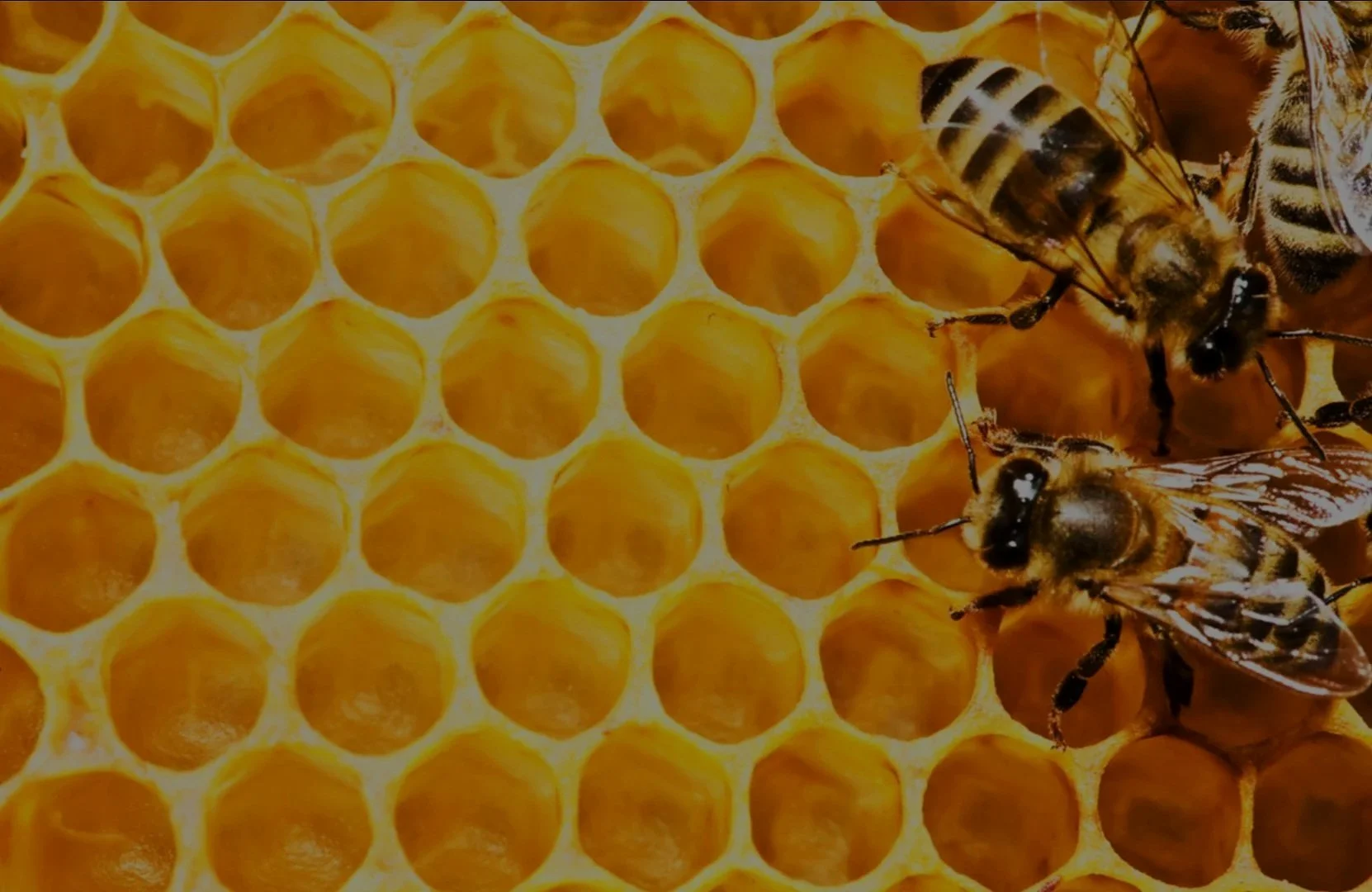
What extermination does not do is remove the honeycomb. After the colony is killed, the comb and honey remain inside the wall cavity exactly where they were. In San Diego's climate — particularly in the warmer inland cities — this creates a predictable sequence of problems.
Without the living bee cluster to regulate temperature inside the hive, the wax softens and the stored honey liquefies in summer heat. Honey migrates through surrounding materials: it soaks into drywall, seeps through ceiling surfaces, and eventually becomes visible as honey-colored staining on interior walls and ceilings. The process can take weeks or months depending on hive size and seasonal temperatures.
The residual comb also attracts secondary pests. Ants follow the honey scent through the same pathways bees used. Roaches, wax moths, and small rodents are all drawn to the protein-rich wax and fermented honey. The homeowner, who thought the bee problem was solved, now has additional pest problems originating from inside the wall.
And the pheromone signal from the residual comb continues to attract new bee swarms. Within one or two swarming seasons — sometimes sooner — new scout bees detect the scent inside the sealed cavity, find the entry point, and begin the cycle again. This is why pest control companies often receive repeat calls to the same address.
What Live Removal Does
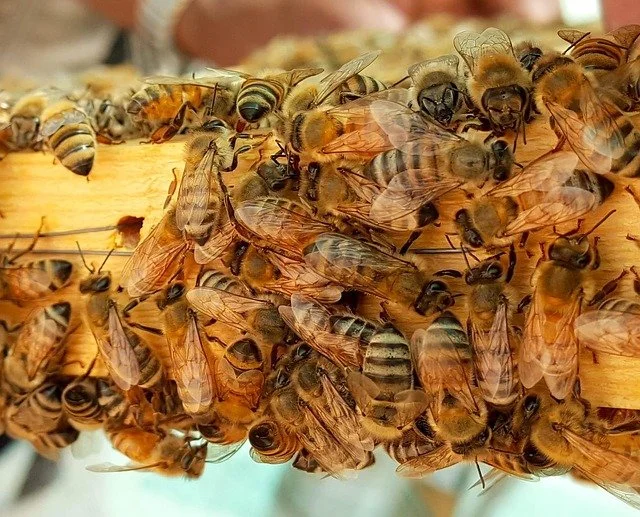
Live bee removal extracts the colony alive — the queen and all worker bees — and relocates them to an appropriate environment: an orchard, an agricultural area, or open land where they can continue their role as pollinators without conflict with human habitation. The key additional steps are what make the outcome permanently different: all honeycomb and hive material is removed from the cavity, the interior is treated to neutralize pheromone residue, and the entry point is sealed.
This process is more involved than extermination. It takes longer, requires more skill and equipment, and costs more. It also solves the problem permanently — which is why, over a complete accounting of the situation, it is almost always the more cost-effective option.
The Environmental Argument
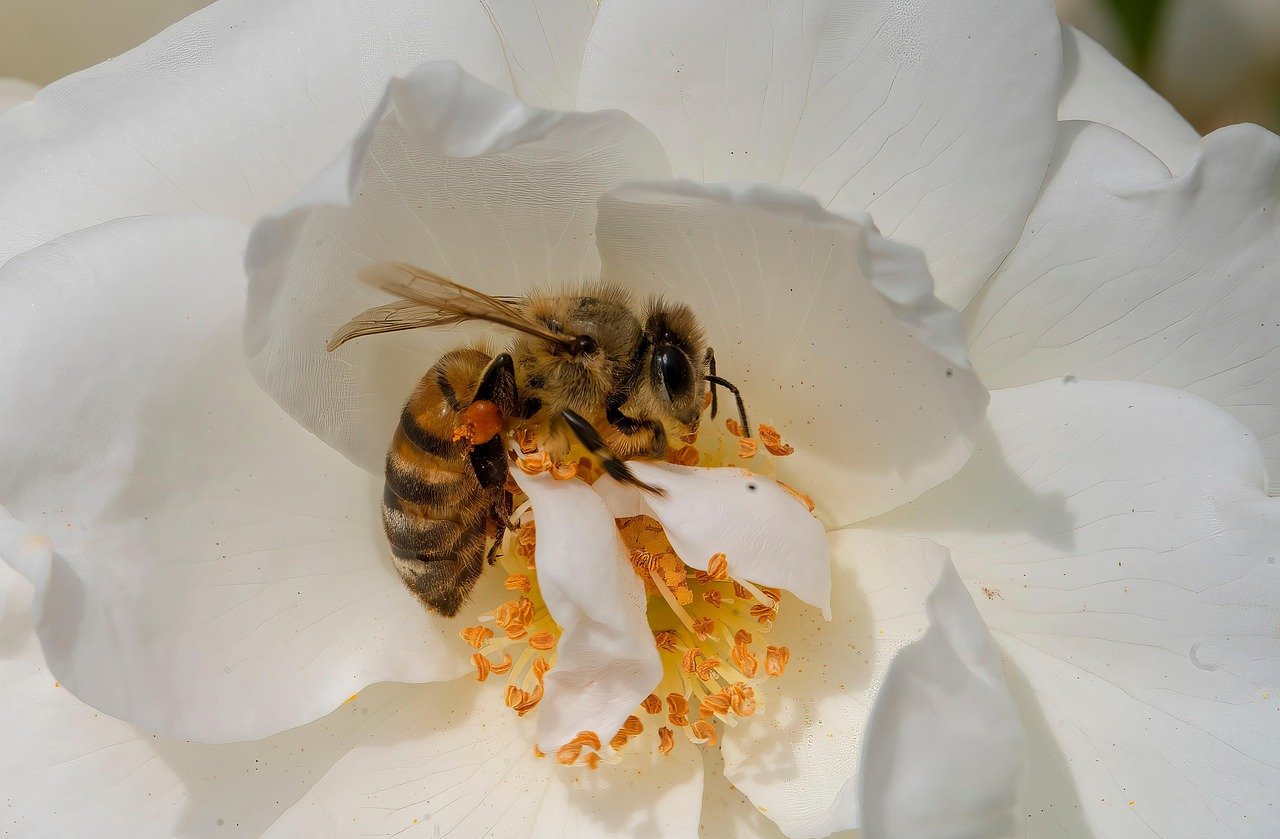
Honey bees in San Diego County — and throughout California — play a critical role in agriculture. San Diego County agriculture, including avocados, citrus, nursery crops, and vegetables, depends on bee pollination. The decline of pollinator populations is a documented concern for the agricultural ecosystem throughout the region.
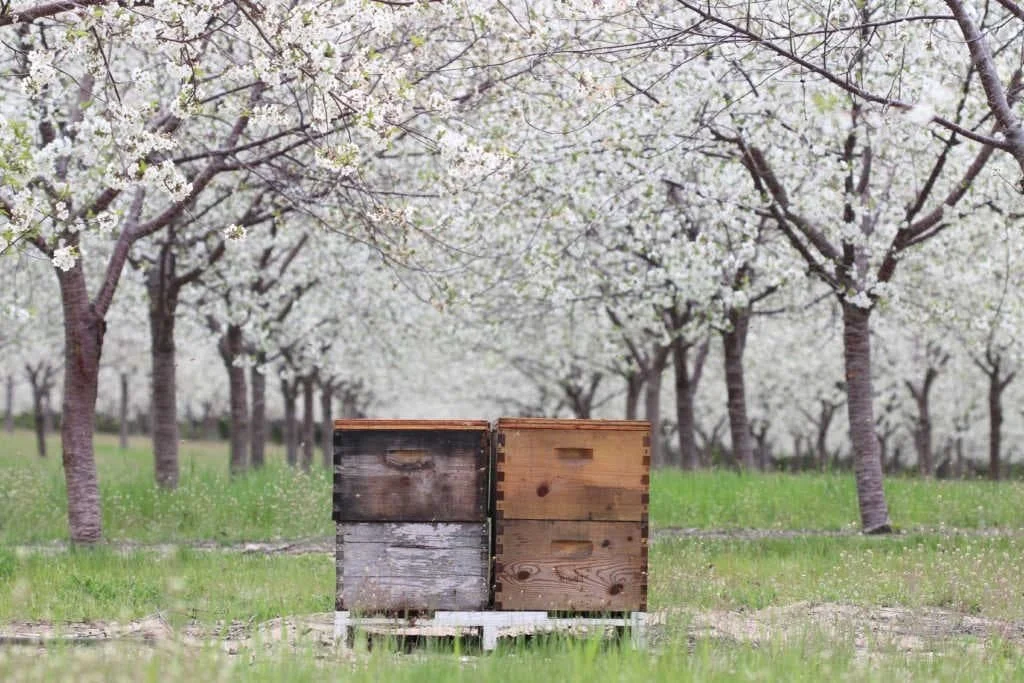
When a bee colony can be safely relocated to an orchard or agricultural area, the colony continues contributing to pollination rather than being eliminated. This is the outcome live removal makes possible. Not every colony can be relocated — some situations require extermination for public safety, particularly with confirmed Africanized colonies in high-traffic locations — but when live removal is possible, it preserves a valuable component of the local ecosystem.
Our Approach
At Bee Rescue San Diego, we use live removal whenever it is safely possible, and we include complete honeycomb removal, cavity treatment, and entry-point sealing as standard components of every job. We relocate colonies to orchards and agricultural areas in San Diego County, not just away from your property. Our 6-month warranty reflects our confidence in the completeness of our process.
If you're comparing quotes and one is significantly lower than another, the most important question to ask is: does this include full honeycomb removal? If not, the lower price is likely to cost you more in the long run.
Call us at 619-800-8521 or fill out our free quote form for a same-day response in most San Diego areas. We serve communities throughout the county including Mira Mesa, Chula Vista, Carlsbad, and Encinitas.