

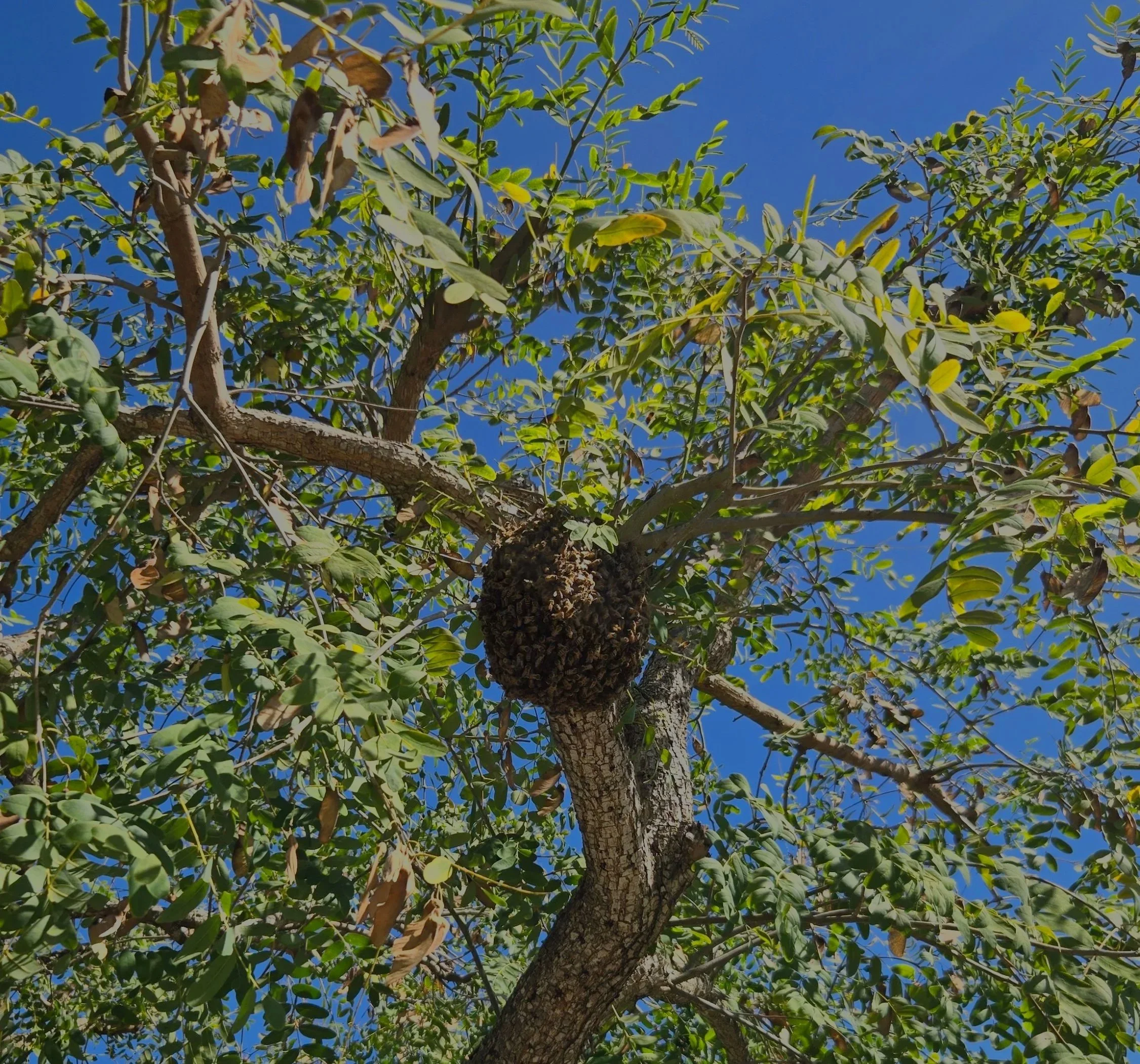
Bee Season in San Diego: When Swarms Are Most Active and Why
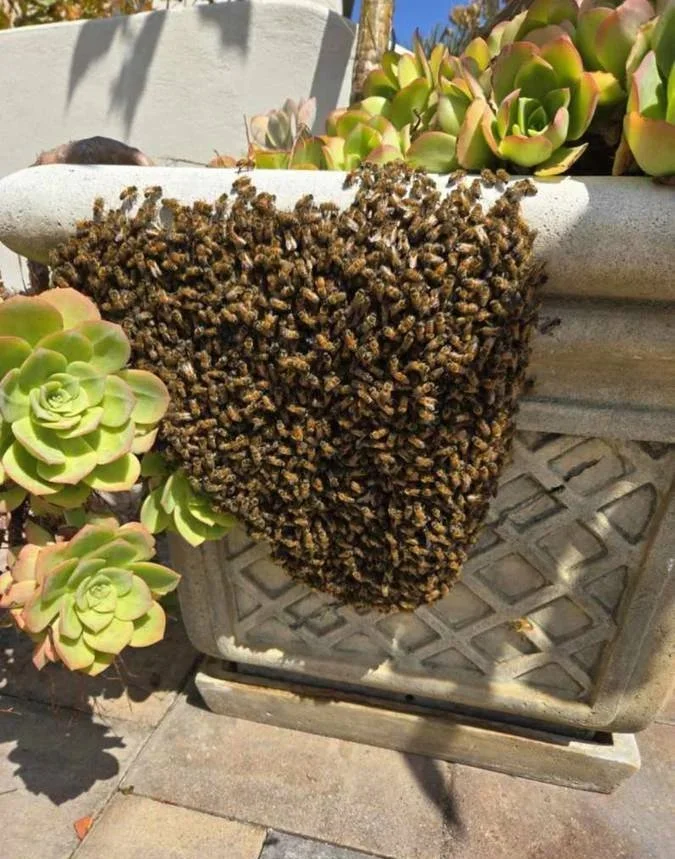
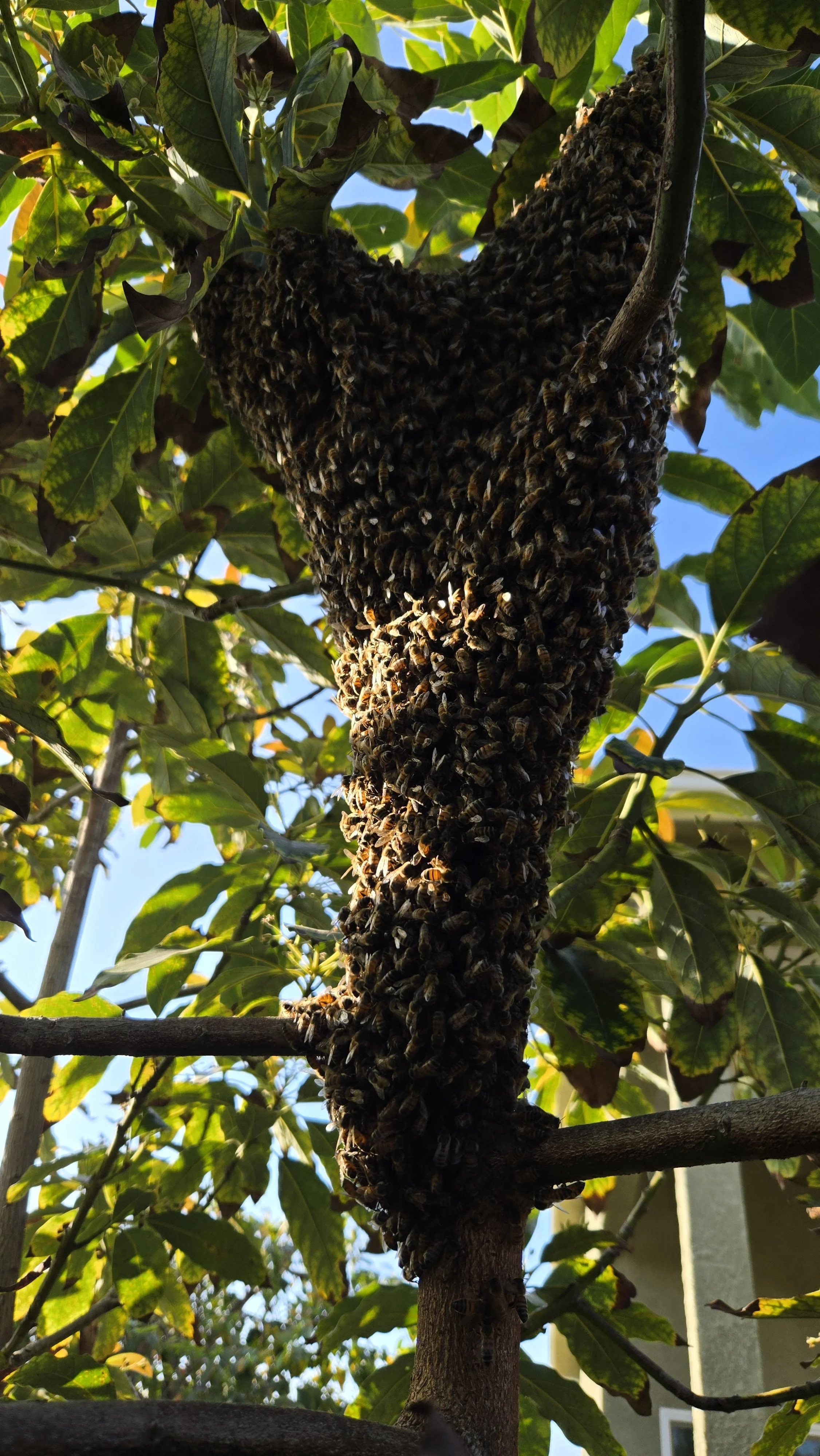
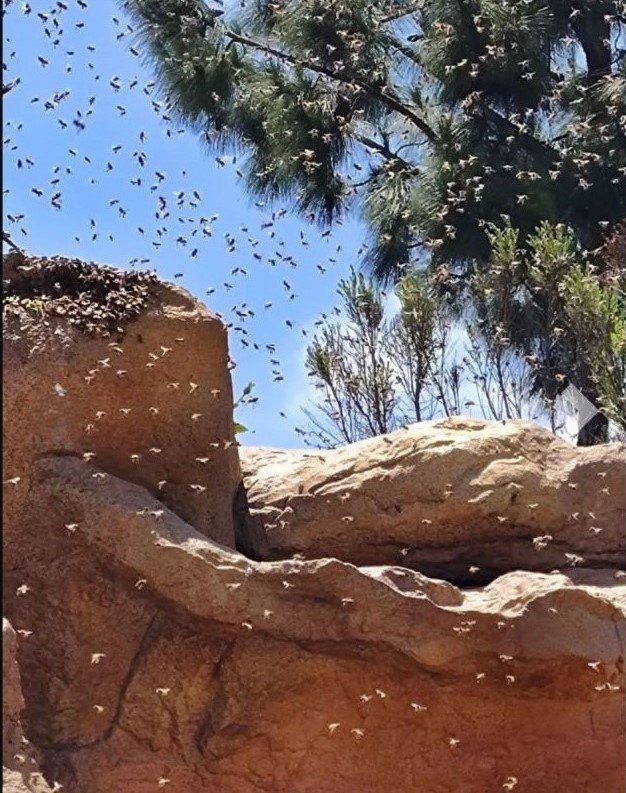
Bee Season in San Diego: When Swarms Are Most Active and Why
San Diego's year-round mild climate means bee activity never fully stops here the way it does in colder regions — but there are distinct peaks when swarms are most active, when hive calls increase dramatically, and when homeowners are most likely to discover colonies on their property. Understanding this seasonal pattern helps you know when to be vigilant and when a spring bee near your garden is just a bee doing its job.
Why Bees Swarm
Swarming is how honey bee colonies reproduce at the colony level. When a colony grows large enough — typically in spring, when population peaks after the winter consolidation period — the existing queen leaves the hive with approximately half of the worker bees to establish a new colony elsewhere. The original hive remains with a new queen and continues.
The swarming process is triggered by colony population density, available space in the hive, and lengthening days and warming temperatures that signal spring. It is a natural and necessary part of the honey bee life cycle — not a sign that something is wrong, and not a sign that the bees are aggressive. A swarming colony is one of the least dangerous bee situations precisely because the bees are in transition and not defending an established hive.
San Diego's Primary Swarm Season: February Through June
The main swarming season in San Diego County runs from late February through early June, with peak activity typically in March, April, and May. During this period, established colonies throughout the county are producing swarms, and those swarms are actively searching for new nesting locations.
The timing corresponds to San Diego's native wildflower bloom cycle — the same conditions that trigger flowers to bloom signal bees that colony expansion is possible. Properties throughout the county will see clusters of bees in trees, on fences, and investigating wall gaps during these months. This is when the majority of hive calls we receive originate.
Inland San Diego cities — Escondido, El Cajon, Vista, Poway, Fallbrook, Santee — often see the season begin slightly earlier and run slightly hotter than coastal communities, because warmer inland temperatures accelerate both plant blooming and colony population growth.
The Secondary Season: Late Summer and Fall
San Diego experiences a secondary, less intense swarming period in late summer and early fall — typically August through October. This is driven by a late-season population pulse in some colonies and by the movement of bees in response to drought stress, which pushes foraging colonies further from their existing hive locations in search of water and late-blooming forage. Fall swarm activity is typically lower volume than spring but is well-documented throughout San Diego County.
What Year-Round Looks Like
Unlike Northern California or inland regions with genuine cold winters, San Diego colonies don't fully overwinter in the sense of becoming dormant. They consolidate and reduce population during the cooler months, but established hives remain active. This means hive discovery calls happen in every month of the year here — a colony that moved into a wall in spring and went unnoticed may not be discovered until summer when honey begins staining through drywall, or fall when increased rain drives more forager activity near the home.
When to Be Most Vigilant
If you live near a canyon, open space preserve, river corridor, or agricultural area — or if you have a home with a history of bee activity — late February through May is the most important period to be proactive. Before swarming season peaks, a walk around your home's exterior looking at roofline gaps, soffit condition, utility penetrations in stucco, and any visible wall cracks is a worthwhile investment of 15 minutes. Sealing gaps larger than a quarter inch before swarms are actively looking for cavities is one of the most effective preventive measures available.
If you're in Rancho Peñasquitos near the canyon preserve, Carlsbad near Batiquitos Lagoon Reserve, in Escondido near agricultural land, or in Scripps Ranch near the eucalyptus groves, this preventive inspection is especially worth prioritizing.
Call 619-800-8521 for swarm removal or established hive removal anywhere in San Diego County, or fill out our free quote form. Sending a photo when you reach out helps us assess quickly and arrive prepared.